
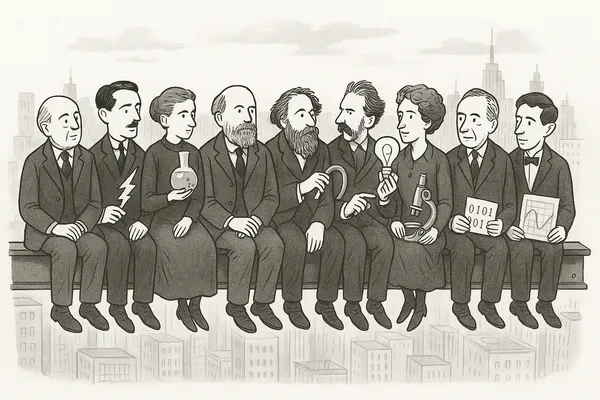
⚡ The Top 10 People Who Shaped Modern Electricity and the Human Story Behind It
The ten people who shaped how we generate, use, and understand electricity and the sparks of genius, rivalry, and humanity behind every light that shines.

AC/DC once meant dive bars, sticky floors and singing at the top of my lungs. Here’s what the initials actually mean, explained through kitchen taps, phone chargers and the solar panels turning homes into mini power plants.
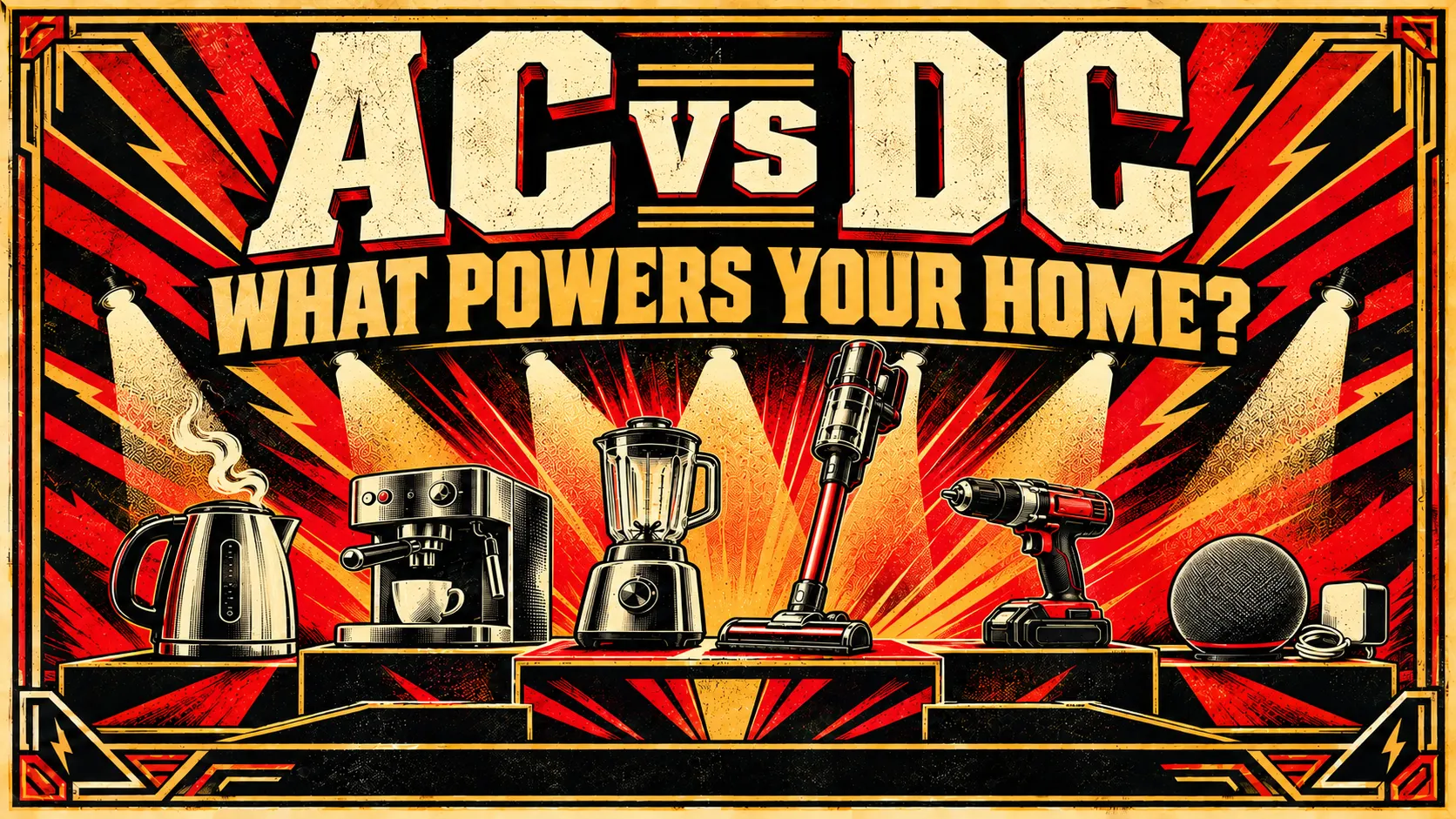
As a fresh-faced student enjoying the social side of university life, AC/DC usually meant dive bars, sticky floors and singing You Shook Me All Night Long at the top of my lungs. I could manage the chorus, but explaining the meaning of the band’s name would have been a much more challenging task.
Even when I started working in energy trading, I spent far more time thinking about positions, prices, profit and risk than what was happening inside the wires. My customers generally had similar priorities. We cared about where the electricity was going and what it was worth; the physics quietly got on with its job.
As solar panels and home batteries become more common, we’re starting to have more say in where our electricity comes from and when we use it. Our homes can make electricity during the day, save some for later and share what’s left over. With that comes a good reason to understand a little more about how it all works, especially when it could help bring the bills down. The concepts of AC and DC are central components in all of this:
Fortunately, you don’t need to become an electrical engineer to make sense of it all. A few commonsense examples can help explain what’s going on, starting with something rather more familiar than a solar panel: your kitchen tap...
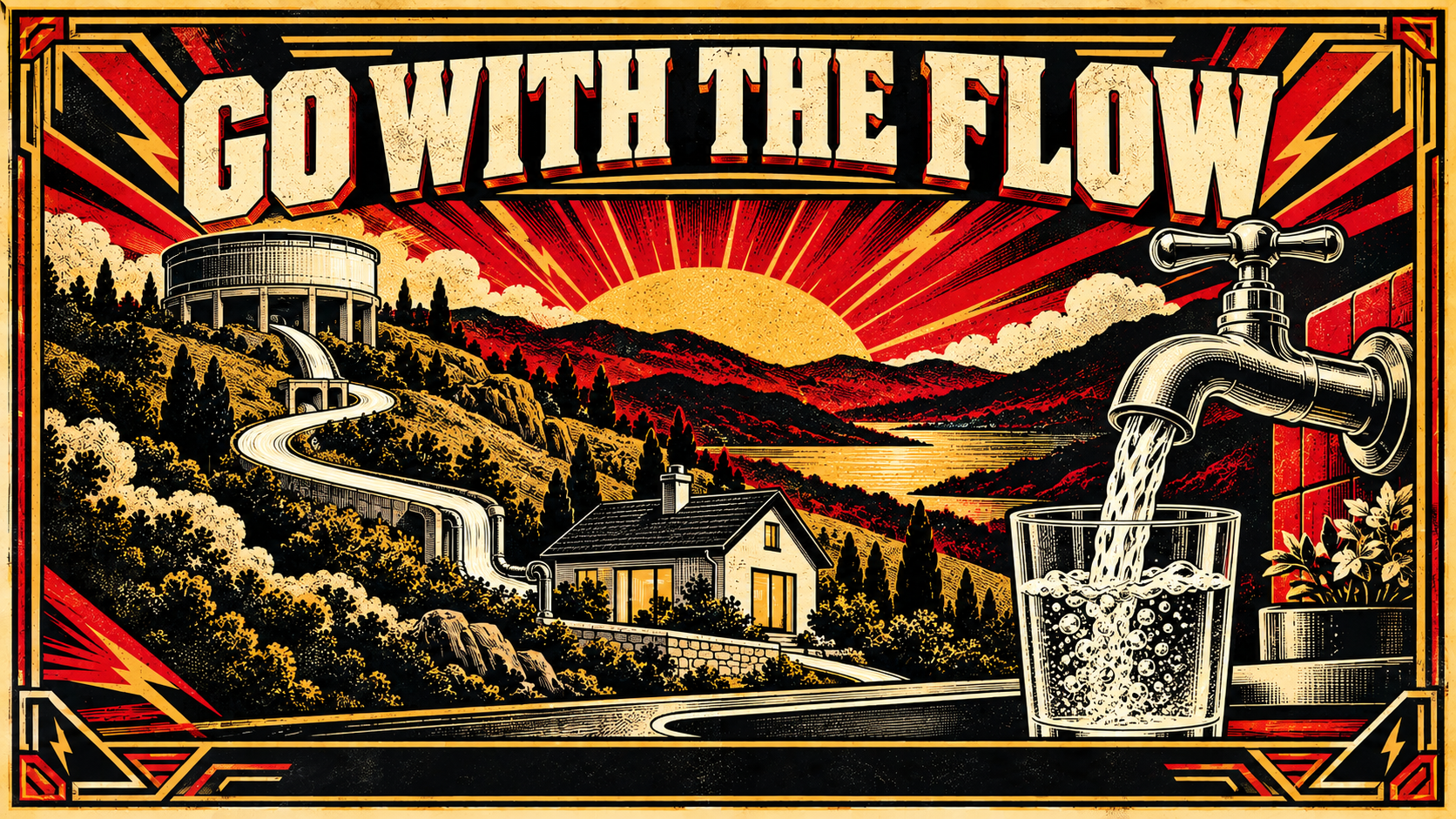
OK, humour me here. Explaining AC/DC can quickly take us into physics, jargon and concepts that leave most of us scratching our heads. It doesn't help that when it comes to electricity we rarely see it, and touching it is generally best avoided ;) Water, however, is much more tangible and familiar, which makes it a useful place to start.
When we need water at home, most of us don't call on a private reservoir in the garden. We rely on a shared supply, often stored in reservoirs miles away and connected to our homes by pipes. Turn on the tap and water flows. Open it further and more water comes through each second.
Water needs a push to make that journey. Gravity can provide it when water is stored higher up; the supply system can add pressure where more help is needed. That push gets the water flowing through the pipes to somewhere useful: your kitchen tap.
The movement of that water being pushed is current (water flow). The greater the flow, the more water arrives each second and the quicker you fill your glass. Keep that simple distinction in mind: the push gets things moving; the current describes the flow.
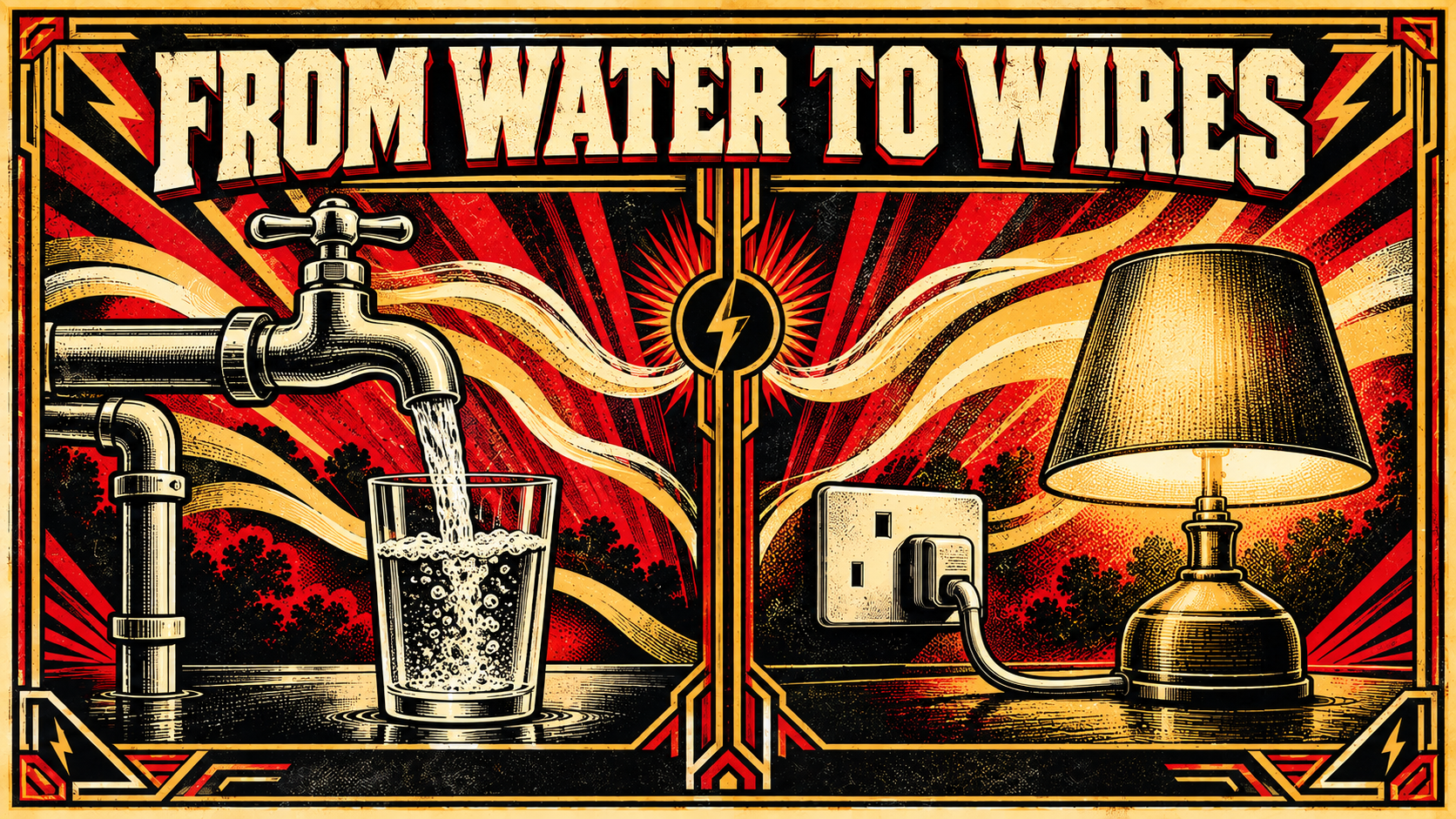
Electricity works in a similar way. Cables provide the route, much like water pipes, while an electrical push called voltage gets electric charge moving. That movement is the current, and it allows energy to be delivered where we need it: lighting a bulb, boiling a kettle or charging a phone.
Think back to filling your glass. You can measure how much water comes through the tap each second. With electricity, current measures how much electric charge passes a point each second. A smaller current means less charge flowing; a larger current means more. Voltage is the push, much like water pressure, while current describes the flow.
That helps explain why some chargers can charge your phone faster than others. At the same voltage, a higher current means more power reaching the phone. If the phone, cable and charger all support it, the battery can charge more quickly. Much like filling your glass, the amount arriving each second makes a difference.
Here's how the comparison fits together:
| Function | Water supply | Electricity supply |
|---|---|---|
| Supply source | Reservoir | Power plant |
| Transport | Water pipes | Electrical cables |
| Push to move | Water pressure | Voltage |
| Flow | How much water passes each second | Current: how much electric charge passes each second |
OK, so now we're experts on electrical current ;) There are two main types: AC (alternating current) and DC (direct current). In really simple terms, they flow in different ways.
The names help here. DC flows in one direction and AC alternates direction (rising and falling in a repeating, wave-like rhythm). With AC, that rhythm is so fast that a kettle, for example, heats smoothly, even though the power going into its heating element rises and falls.
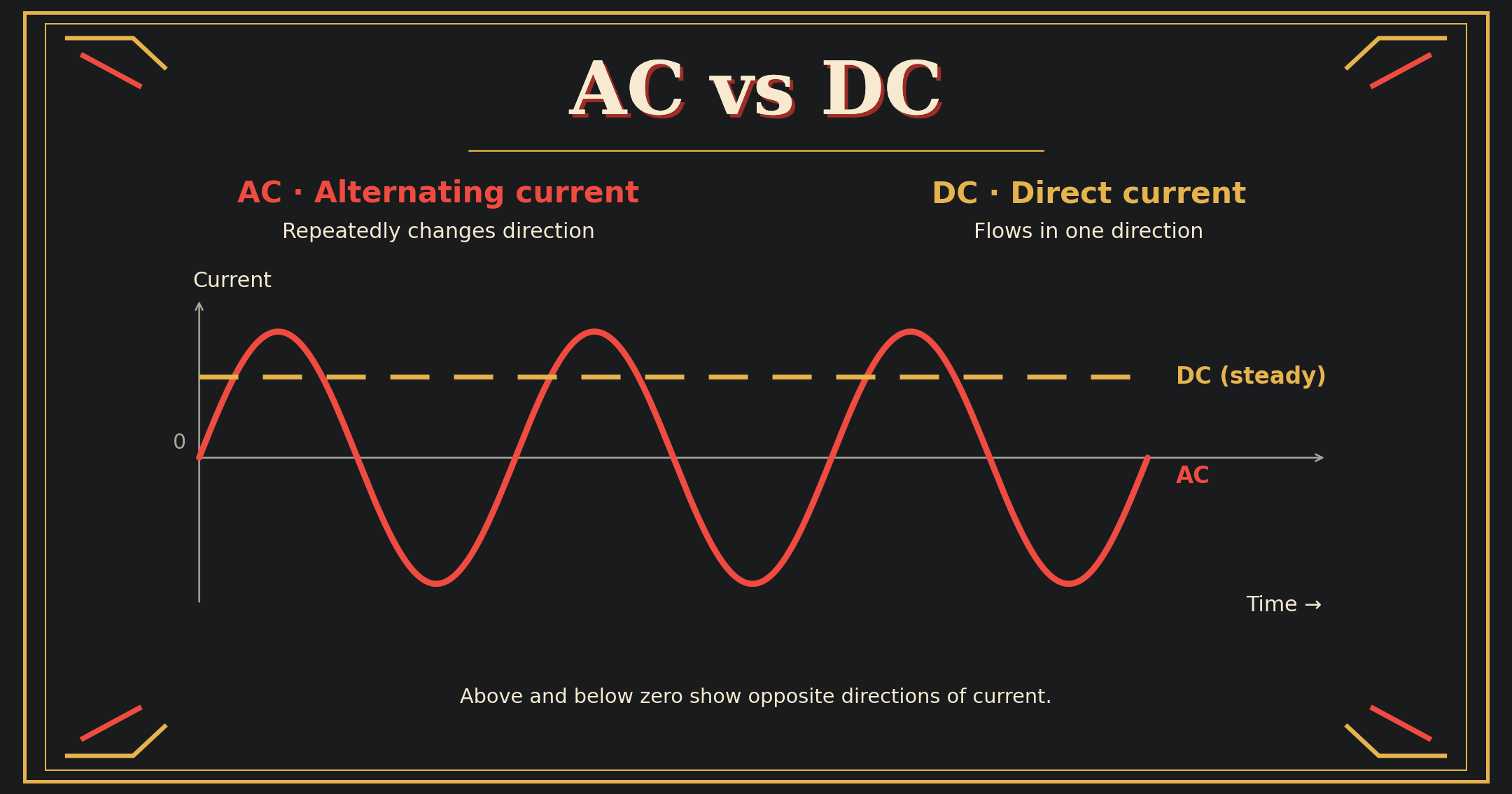
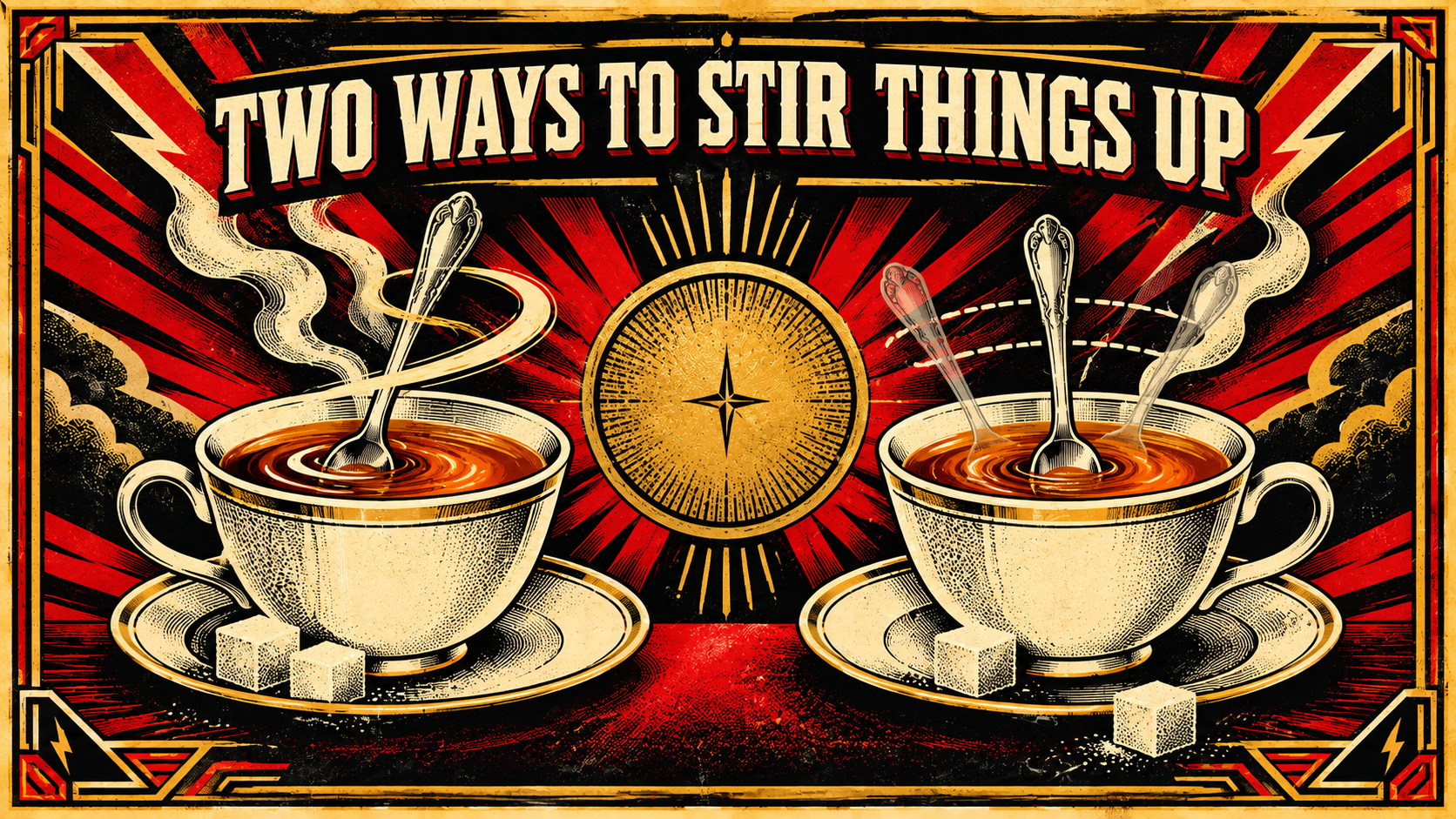
But if AC keeps moving back and forth, how does it get anything done? Think about stirring sugar into your tea. You can stir in one direction (like DC) or move the spoon backwards and forwards (like AC). Both put energy into the liquid and both help the sugar dissolve. Different movements, the same useful result.
So why use both? Each suits different jobs. The next question is why AC became the familiar supply at our sockets, while DC powers so much of what we plug into them.
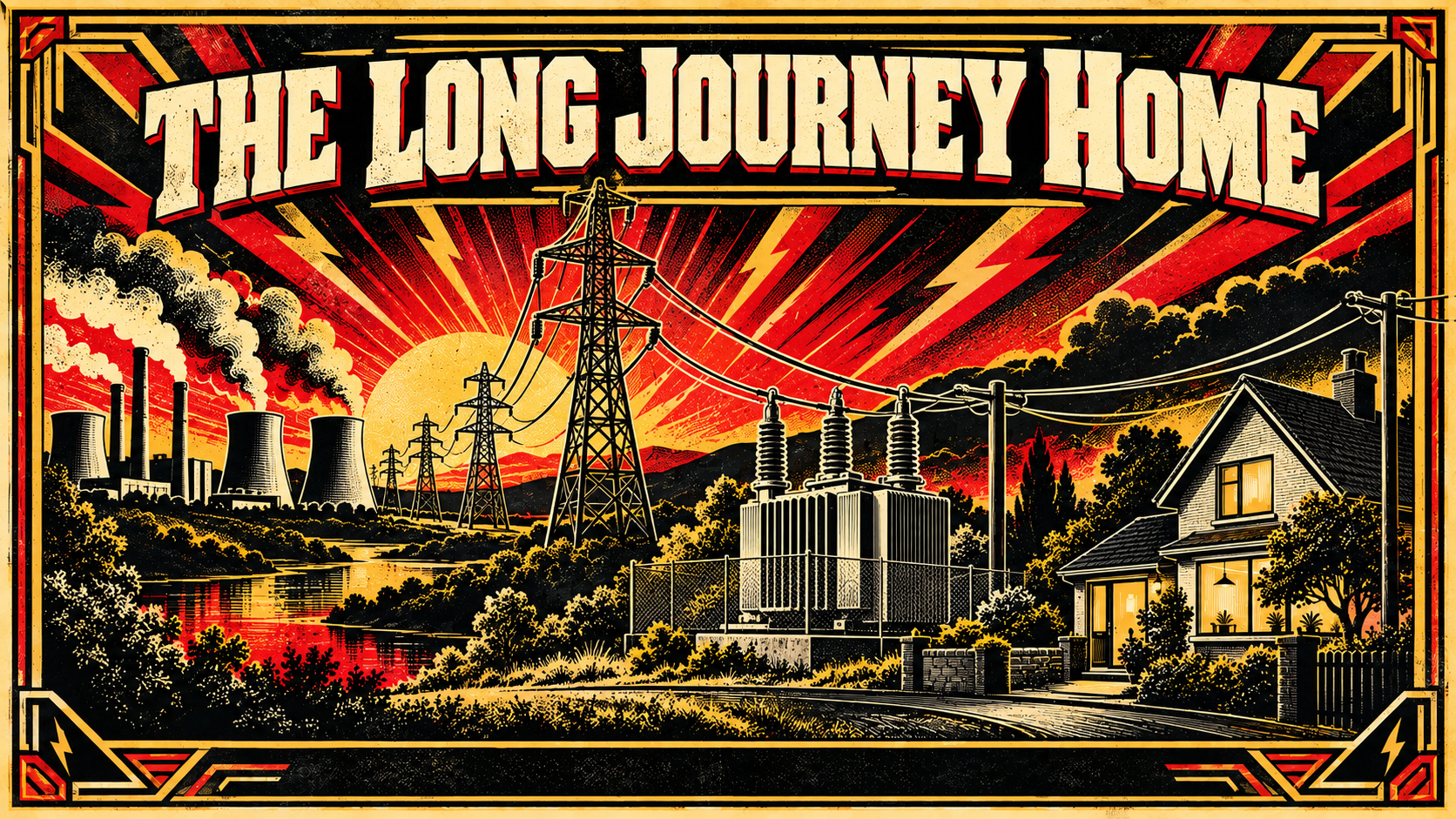
Once electricity networks began stretching beyond a few streets, getting energy across distance became a serious problem. Cables lose some energy as heat along the way. The higher the current, the greater those losses. Engineers needed a way to deliver plenty of power without such a large current.
The answer was to raise the voltage, our electrical push. Think of a pressure washer: the high-pressure jet can clean a patio using much less water than a gentle flow from a hose, because each litre has more energy behind it. Higher voltage offers a similar advantage for electricity. Each unit of charge can deliver more energy, allowing the same power to be delivered with less current. That smaller electrical flow produces less heat in the cables, reducing the energy lost along the way. But the voltage then needs to come back down to a suitable level for homes.
AC was more practical for this task because of that repeating, wave-like rhythm we discussed earlier. As the current rises, falls and reverses direction, it creates a changing magnetic field. Transformers use those changes to transfer energy between coils of wire, raising or lowering the voltage in the process. Steady DC flows in one direction without that rhythm, so it cannot keep an ordinary transformer working. AC therefore made it relatively easy to raise the voltage for the long journey, then lower it again before it reached homes, a major advantage as electricity networks grew.
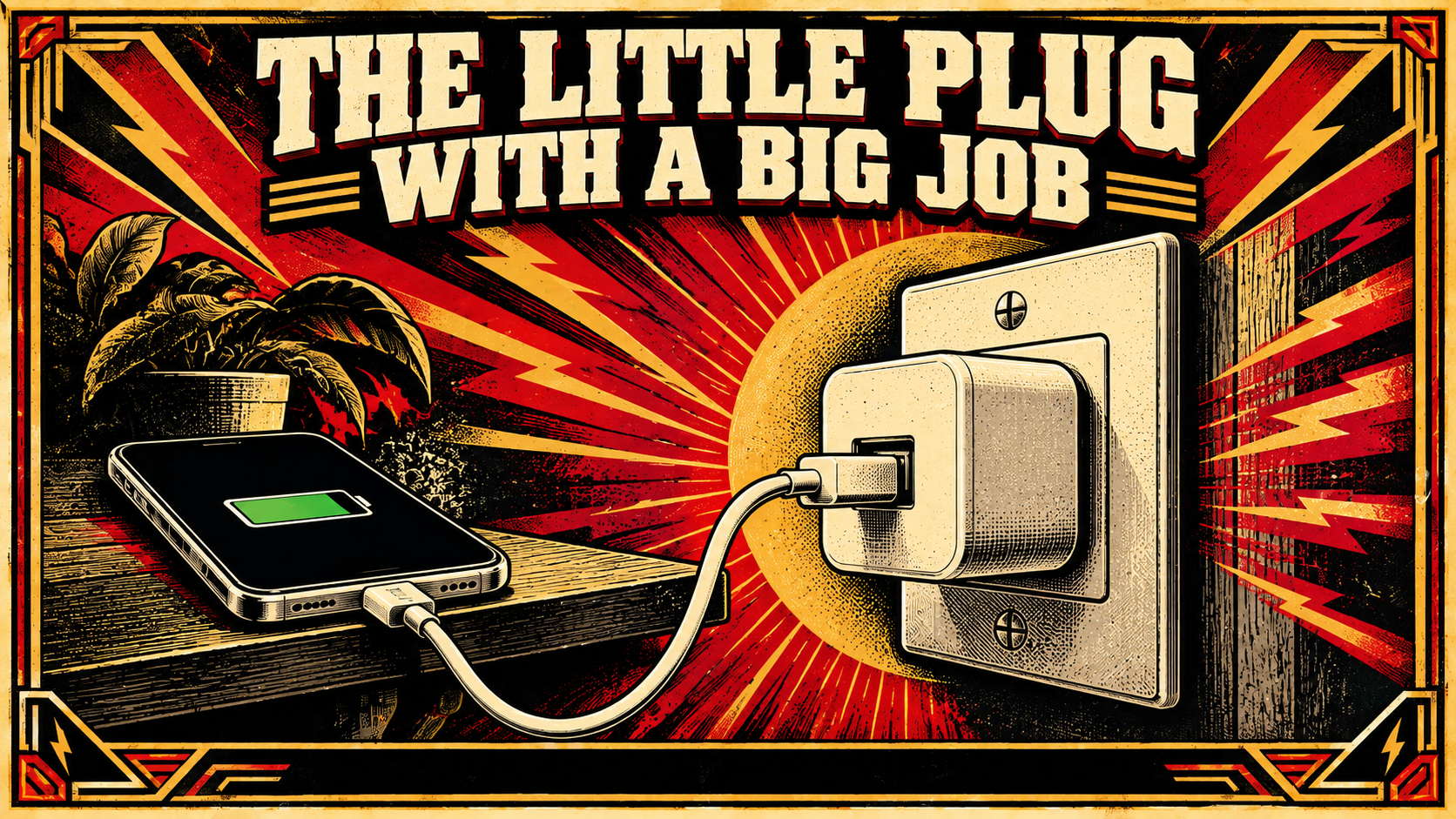
Now for one of modern life's more urgent electrical jobs: charging a nearly depleted phone. Or the tablet standing between you and the worst of all childhood meltdowns ;)
Your socket supplies AC, but your phone's electronics and battery charging need DC. The USB charging plug you put into the wall, the small block with a port for your charging cable, contains electronics that convert AC into DC and lower the voltage to suit your phone. That's where the conversion happens, before the power reaches your phone through the cable.
An ordinary plug, like the one on your kettle, simply connects the appliance to the AC supply. The USB charging plug has an extra job: preparing that supply for a device that needs DC.
Unplug the phone and its battery supplies DC to the phones electronics to keep it running. We encounter both AC and DC current every day, with the conversion happening quietly inside a charging plug.
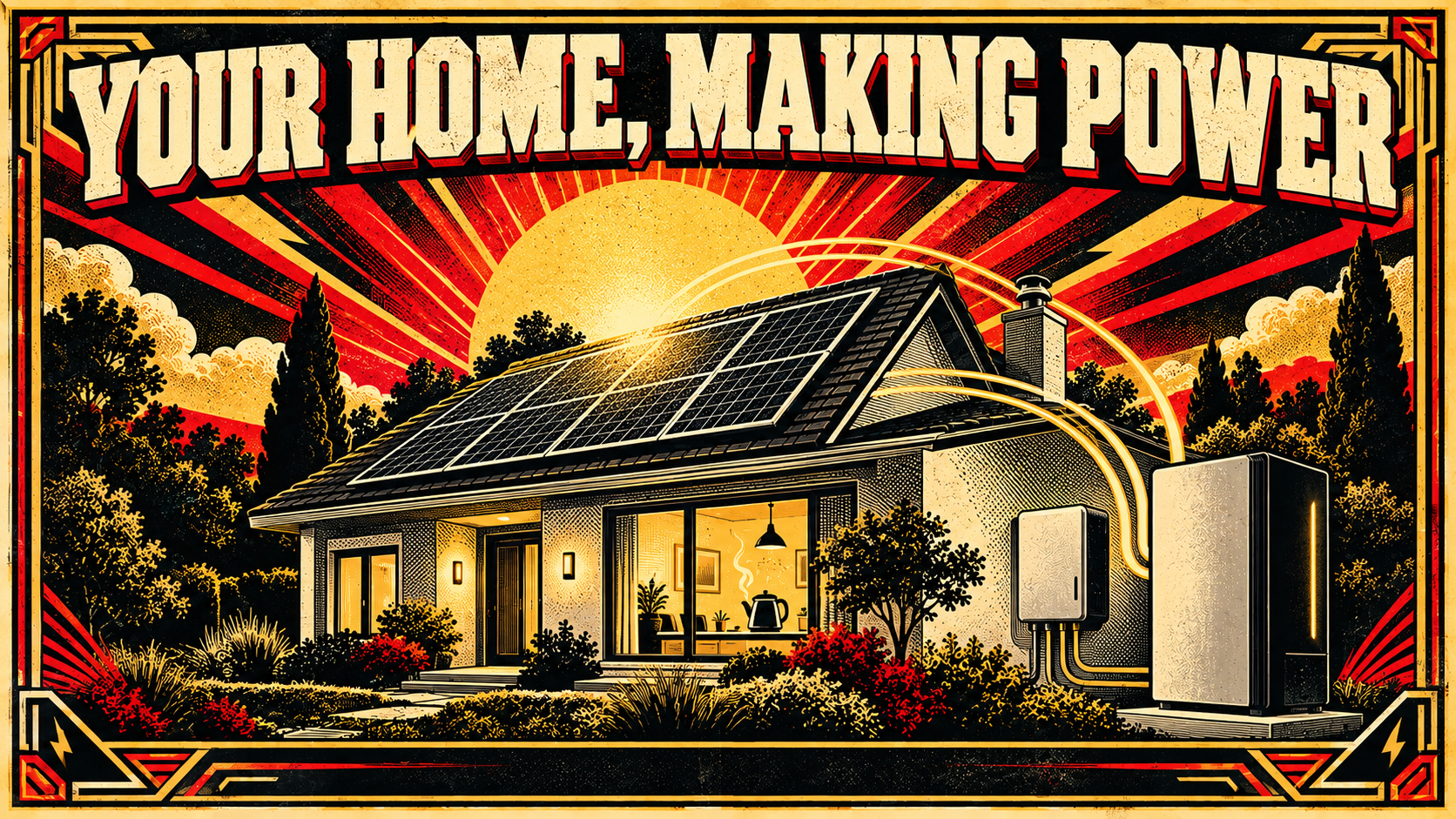
A homes solar panels produce DC, and a home battery supplies DC when you draw on its stored energy. However as you may recall, your home’s usual electricity supply, uses AC. This is where an inverter comes in.
Think of it as doing the reverse of your phone’s charging plug: the plug turns AC into DC for your phone, while the inverter turns DC from your panels or battery into AC for your home. It can also make spare power suitable to send back to the grid.
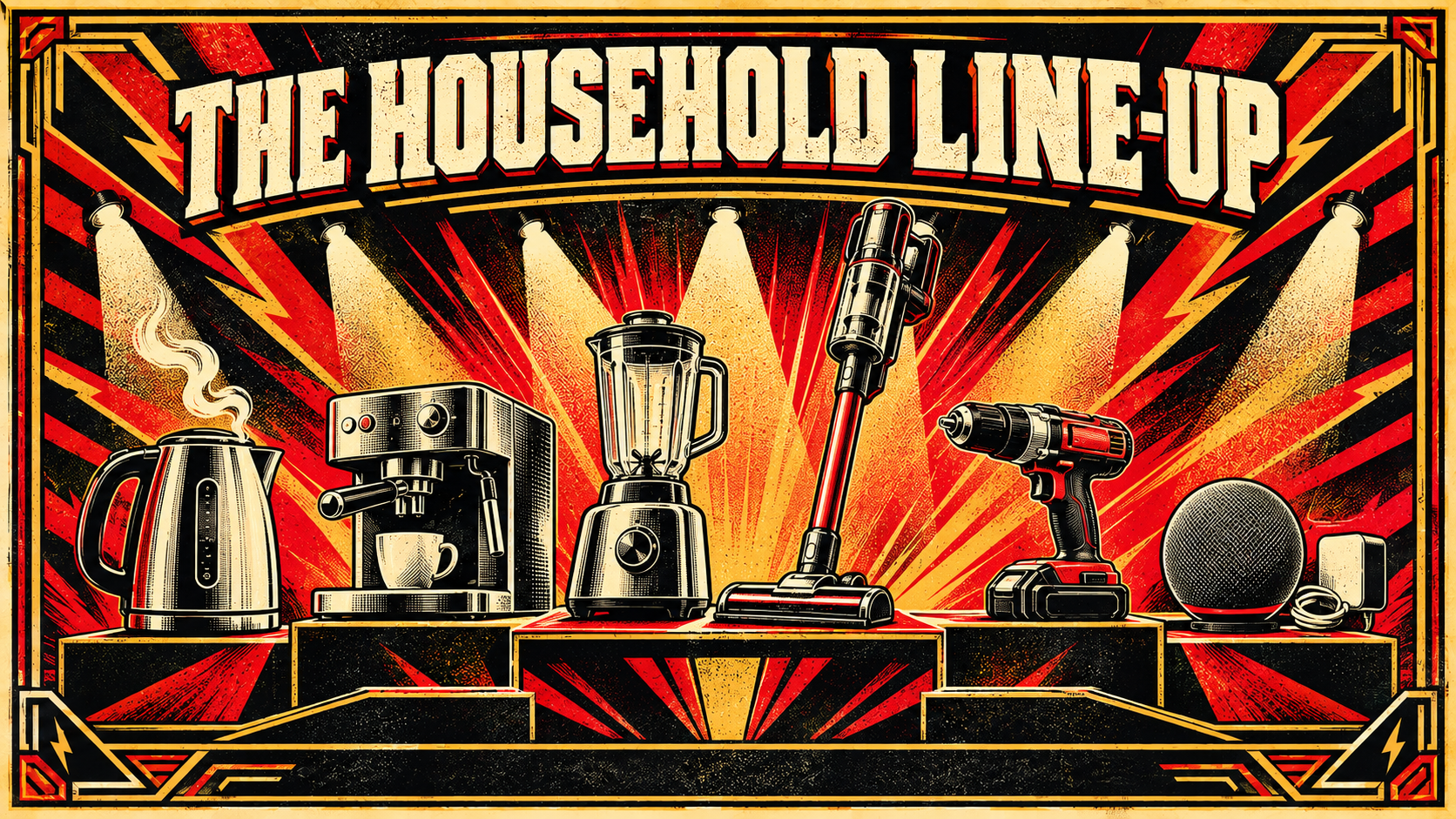
Is an air fryer AC or DC? What about a vacuum cleaner, coffee machine or Alexa speaker? The answer depends on how it gets its power. Some appliances take AC directly from the socket, some convert it into DC, and others use DC from a battery.
This table shows the usual power supply for each item. The supply and the current used by individual parts inside a machine can be different, especially in appliances with modern motors and electronic controls....
| Household item | Power supply | Simple explanation |
|---|---|---|
| Air fryer | AC from the socket | Mains power runs the heating and fan system, with electronics managing the cooking. |
| Amazon Echo Dot (Alexa speaker) | DC from an adaptor | Its wall adaptor converts AC into DC before power reaches the speaker. |
| Battery-powered doorbell camera | DC from a battery | Its battery powers the camera and electronics. |
| Battery-powered electric chainsaw | DC from a battery | A battery supplies the tool, with electronics controlling the motor. |
| Battery-powered thermostat | DC from batteries | Its batteries power the display and controls. |
| Battery-powered torch | DC from batteries | Its batteries supply DC to the light. |
| Coffee machine or espresso machine | AC from the socket | Uses mains power for heating and other functions; internal controls may use DC. |
| Conventional electric oven | AC from the mains | Its heating elements use AC; electronic controls may use DC internally. |
| Corded blender | AC from the socket | Takes AC from the wall to run the machine; motor design varies by model. |
| Corded electric chainsaw | AC from the socket | Gets its power through a cable connected to the mains. |
| Corded vacuum cleaner | AC from the socket | Takes AC from the wall; the motor and its controls depend on the model. |
| Cordless drill | DC from a battery | Its battery supplies DC; a separate charger connects to the mains. |
| Cordless vacuum cleaner | DC from a battery | The rechargeable battery supplies DC; the charger replenishes it from the mains. |
| Electric kettle | AC from the socket | Its heating element uses AC to boil water. |
| Games console | AC in; DC for electronics | A built-in power supply or external adaptor converts AC into DC. |
| Hair dryer | AC from the socket | Uses mains power for heat and airflow; the fan motor's internal supply depends on the design. |
| Home battery | Supplies DC | An inverter converts its output into AC when powering the home's usual electrical system. |
| Laptop | DC from a charger or battery | Its charging adaptor converts mains AC into DC. |
| Low-voltage LED light strip | DC from an adaptor or driver | The driver provides the DC supply the strip needs. |
| Phone or tablet | DC from a charger or battery | The USB charging plug converts wall AC into DC. |
| Plug-in electric heater | AC from the socket | Its heating element converts electrical energy into heat. |
| Rechargeable electric toothbrush | DC from a battery | Runs from its battery; the charging base replenishes it. |
| Refrigerator | AC from the socket | Takes AC from the wall; internal motor and control supplies vary by model. |
| Robot vacuum cleaner | DC from a battery | Runs from its battery and returns to a dock to recharge. |
| Rooftop solar panels | Produce DC | An inverter converts their output into AC for the home or grid. |
| Television | AC in; DC for electronics | Conversion happens inside the TV or in an external power adaptor. |
| Toaster | AC from the socket | AC heats the elements that toast the bread. |
| TV remote control | DC from batteries | Uses battery power without a mains connection. |
| USB power bank | DC from a battery | Stores energy in a battery and supplies DC through its USB ports. |
| Washing machine | AC from the socket | Uses mains power, with internal electronics controlling the motor and wash cycle. |
| Wi-Fi router | DC from an adaptor | The power adaptor supplies low-voltage DC to the router. |
| Wired smart thermostat, common US type | Often 24-volt AC | Receives low-voltage AC from the heating and cooling system, with conversion for its electronics. |
For battery tools, “DC” describes the battery supply. Electronics may change that supply to drive the motor. Likewise, an AC-powered appliance can also contain DC electronics: a single label doesn't describe every component inside it.
Hopefully that all makes AC/DC at least a little more sensical.
In closing, the useful thing to remember is that current describes the electrical flow, while voltage provides the push that gets it moving. That flow can go in one direction, as DC, or alternate back and forth, as AC, with both delivering energy to do useful work.
Once you look around the house, you can see how the two work together: the kettle uses AC from the socket, while your charging plug converts it into DC for the phone. Put solar panels on the roof and an inverter makes the opposite conversion, turning their DC into AC for the home. We've been using both for years, often without realising it. I may still be better at the chorus than the physics, but at least the initials now make sense.
Enjoying practical energy explainers without the jargon fog? Subscribe free to EnergyCrew for ideas that make complex systems easier to understand.
The ten people who shaped how we generate, use, and understand electricity and the sparks of genius, rivalry, and humanity behind every light that shines.

A broken boiler in the UK led to a quick decision. Living with a heat pump in the US completely changed how I think about heating, comfort, and what a home should feel like.

Texas became one of the fastest growing solar and battery markets in the world. Can it keep its speed as OBBB, grid reforms, and demand reshape the energy market?