⚡ The Top 10 People Who Shaped Modern Electricity and the Human Story Behind It
The ten people who shaped how we generate, use, and understand electricity and the sparks of genius, rivalry, and humanity behind every light that shines.
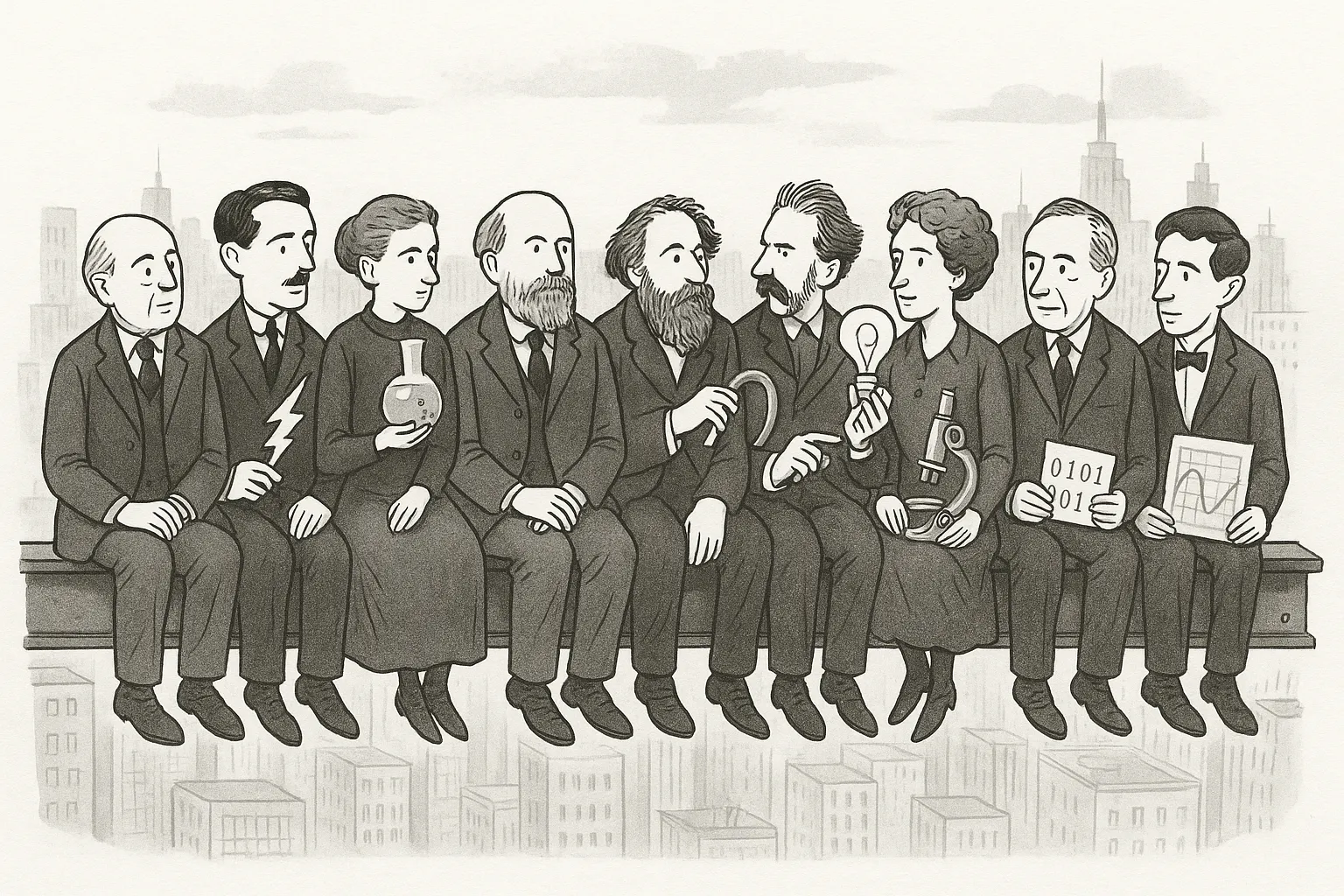
Electricity powers the rhythm of modern life. Every hum of an appliance, glow of a screen, and signal across a network can be traced back to a handful of individuals who turned raw natural force into a system that fuels humanity’s progress.
This isn’t a story of a single “Eureka!” moment. It’s a relay race of curiosity, with each discovery building on another and passing the charge forward.
To make sense of their contributions, the following dimensions have been considered:
Understanding: How much they expanded scientific knowledge.
Application: How they turned that insight into something useful.
Impact Today: How impactful their work remains today.
These aren’t absolutes, but a framework to appreciate how far one idea can travel once it’s set loose. Alongside this, we also take a closer look at the human side of these figures; their values, flaws, and how their legacies resonate or challenge our views today.
*This list focuses on figures from the 1800s onward, when experimentation turned into the technologies that still shape daily life.
We’ll look at a more global and historical Top 10 from ancient sparks to early scientific pioneers in a separate blog.
Enjoying this kind of practical explainer?
Subscribe free for EnergyCrew insights, market notes and industry resources, without the jargon fog.
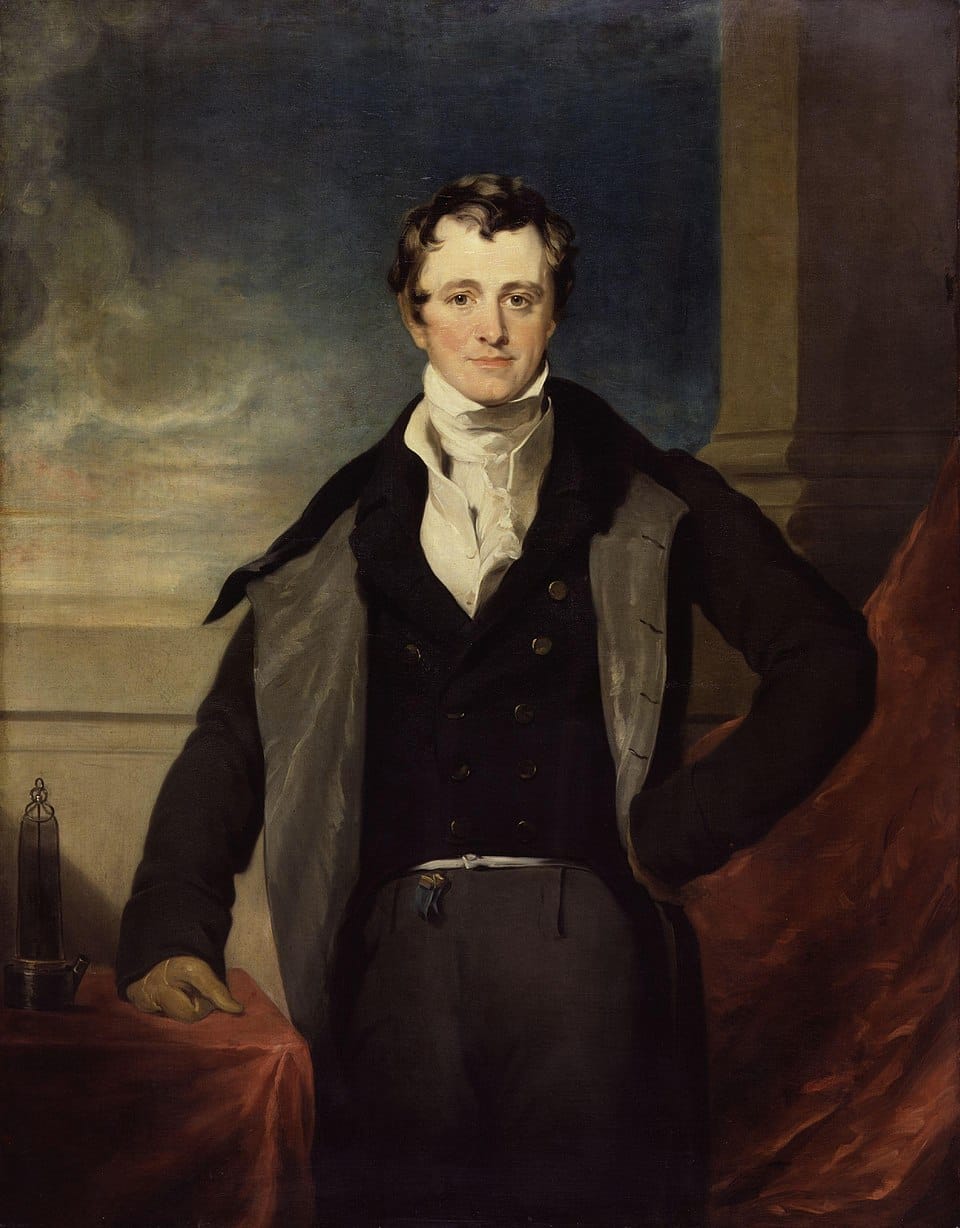
🔦 10. Humphry Davy (1778–1829): From Sparks to Light
Before Edison or Tesla ever lit a room, there was Humphry Davy, the chemist who made electricity perform on stage. Using powerful batteries, he split compounds and uncovered new elements, laying the foundations of electrochemistry. In 1808, he joined two carbon rods to produce the first electric arc lamp, light bright enough to fill a hall and shock polite London society into awe.
Something you may not know: Davy’s lab assistant was a young Michael Faraday, who he reportedly dismissed as “not destined for great things.” History had other ideas.
Understanding: Revealed links between current and chemical change.
Application: Created the first electric light through the arc lamp.
Impact Today: Proved electricity could power illumination, not just curiosity.
🔋 9. Alessandro Volta (1745–1827): The Birth of Continuous Power
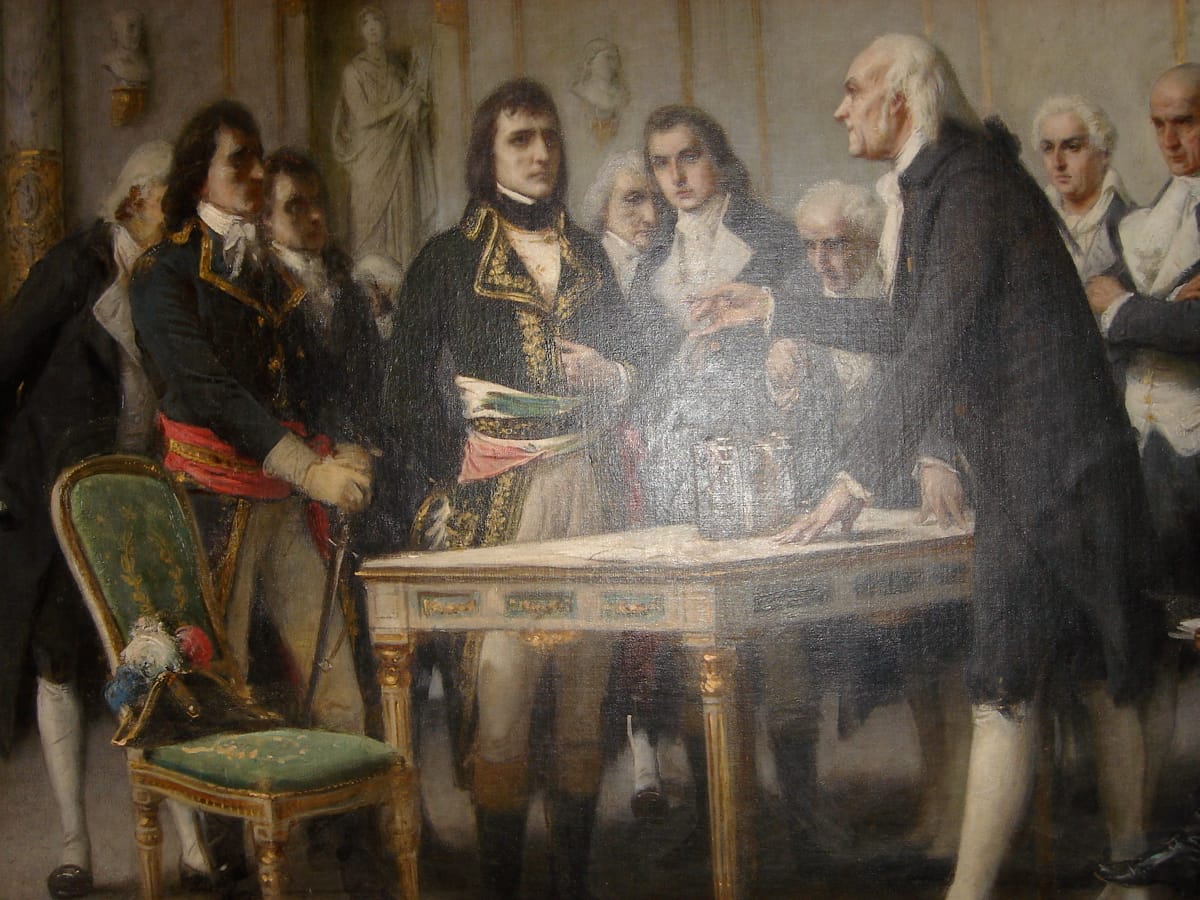
Alessandro Volta demonstrating his battery to Napoleon
Alessandro Volta transformed electricity from fleeting spark to steady supply. In 1800, he built the voltaic pile, the first true battery, enabling sustained current. It was simple: discs of copper and zinc stacked with brine-soaked cloth, yet it powered an entire century of experiments.
Something you may not know: When Volta demonstrated his battery in Paris, Napoleon was so impressed he made him a Count on the spot.
Understanding: Identified chemical origins of continuous current.
Application: Invented the first practical battery.
Impact Today: Every battery, from phones to EVs, echoes Volta’s stack.
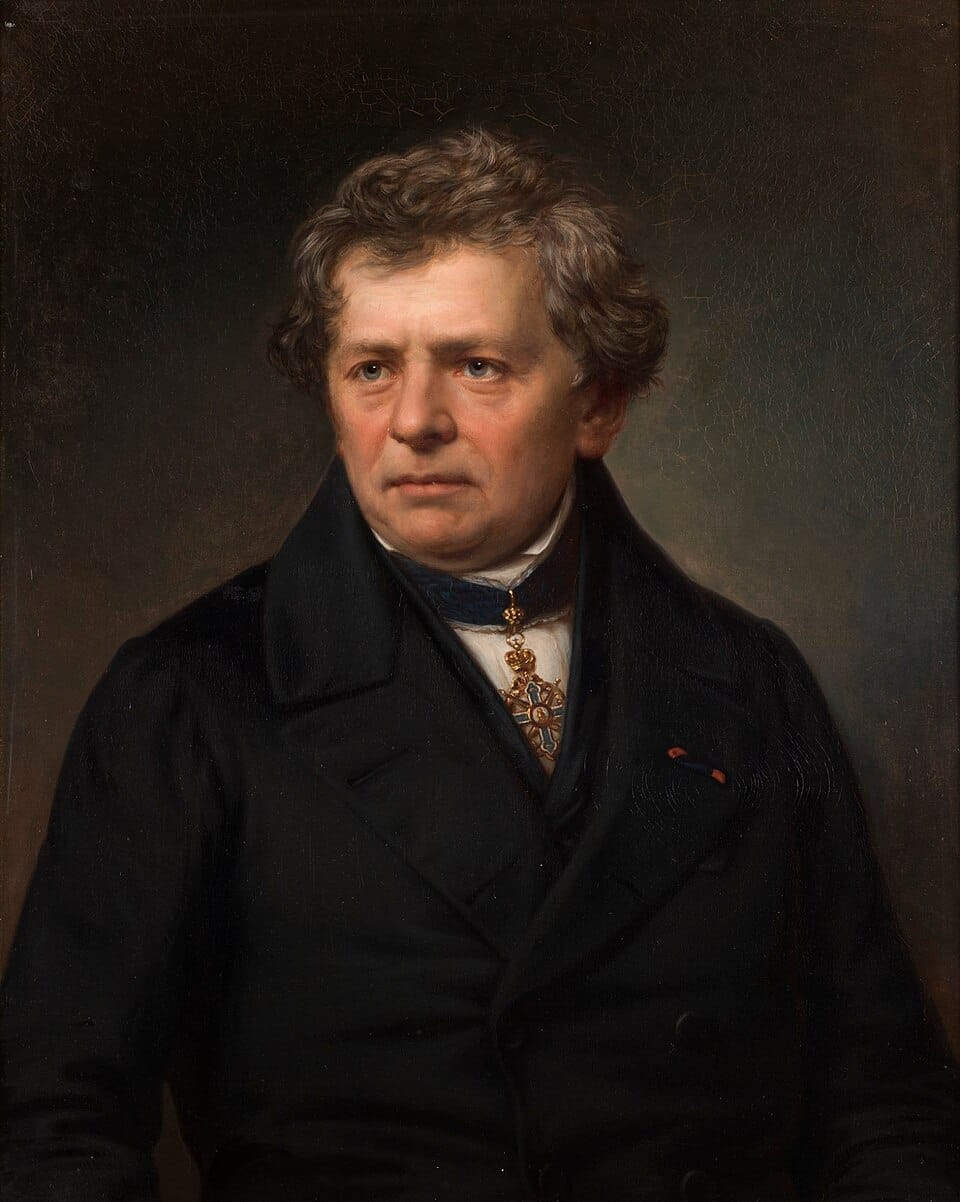
⚖️ 8. Georg Simon Ohm (1789–1854): The Rule of Resistance
Electricity was mysterious until Georg Ohm gave it order. His 1827 law, that current equals voltage divided by resistance, turned sparks into mathematics. He quantified how materials impede current, allowing engineers to predict and design.
Something you may not know: Ohm’s work was ignored for years. Only later did scientists realize it underpinned all of circuit theory.
Understanding: Defined the relationship between voltage, current, and resistance.
Application: Provided the fundamental equation for electrical circuits.
Impact Today: Used daily in every power, electronics, and grid calculation.
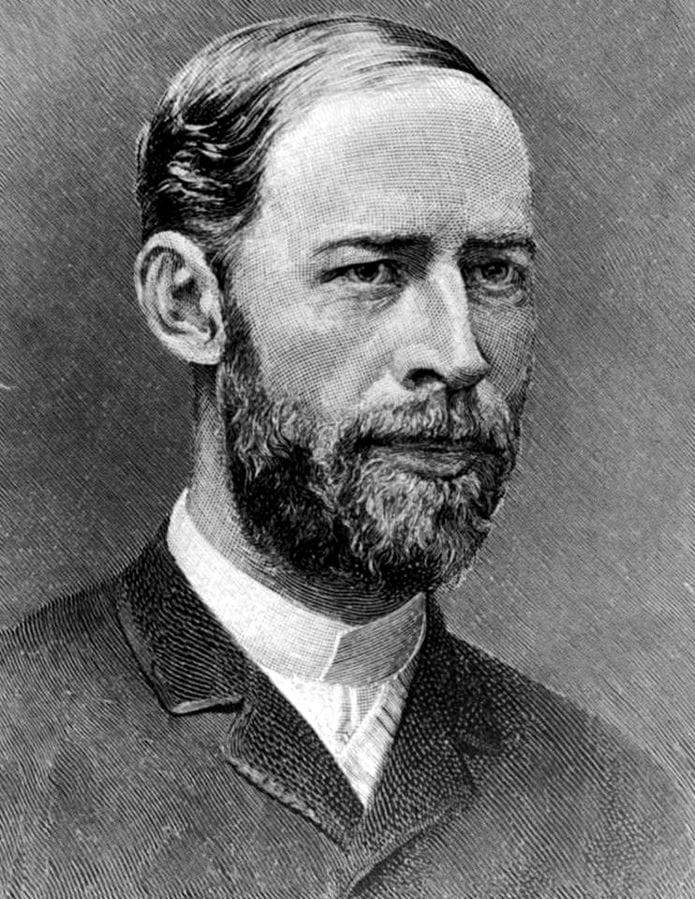
📡 7. Heinrich Hertz (1857–1894): Waves Made Real
James Clerk Maxwell predicted them, and Heinrich Hertz proved them. In 1887, he built an apparatus that generated and detected electromagnetic waves, confirming the invisible link between electricity and light. Although he saw no commercial use, his experiment became the foundation for radio, radar, and wireless communication.
Something you may not know: Hertz once told his students that these waves had “no practical value whatsoever.” Within a decade, Guglielmo Marconi proved him wrong.
Understanding: Confirmed the existence of electromagnetic waves.
Application: Built the first apparatus for generating and detecting them.
Impact Today: The start of every wireless technology.
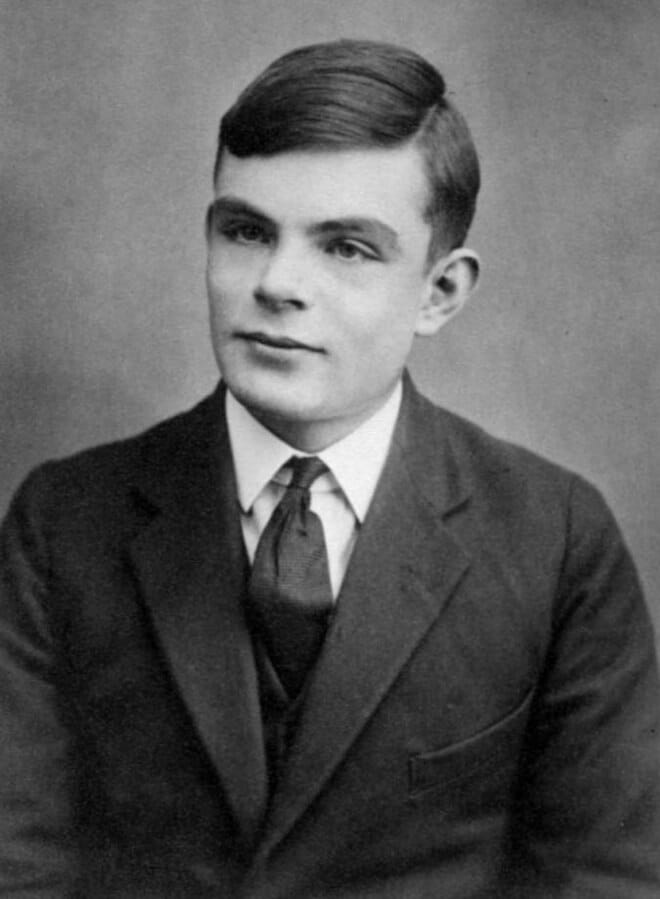
💻 6. Alan Turing (1912–1954): The Code, the Machine, the Idea
Electricity met logic in Alan Turing’s mind. His work on the Enigma code during World War II and his 1936 concept of a “universal machine” defined computation itself, showing that electrical circuits could represent reasoning. Turing’s ideas made the digital world possible. Every AI model, server, and microchip traces back to that abstract machine.
Something you may not know: Despite saving millions of lives through his wartime work, Turing was later prosecuted for his sexuality and died under persecution, one of science’s most tragic injustices.
Understanding: Defined computation as a mechanical and logical process.
Application: Enigma code-breaking and theoretical groundwork for computers.
Impact Today: Foundations of computing, cryptography, and digital control.
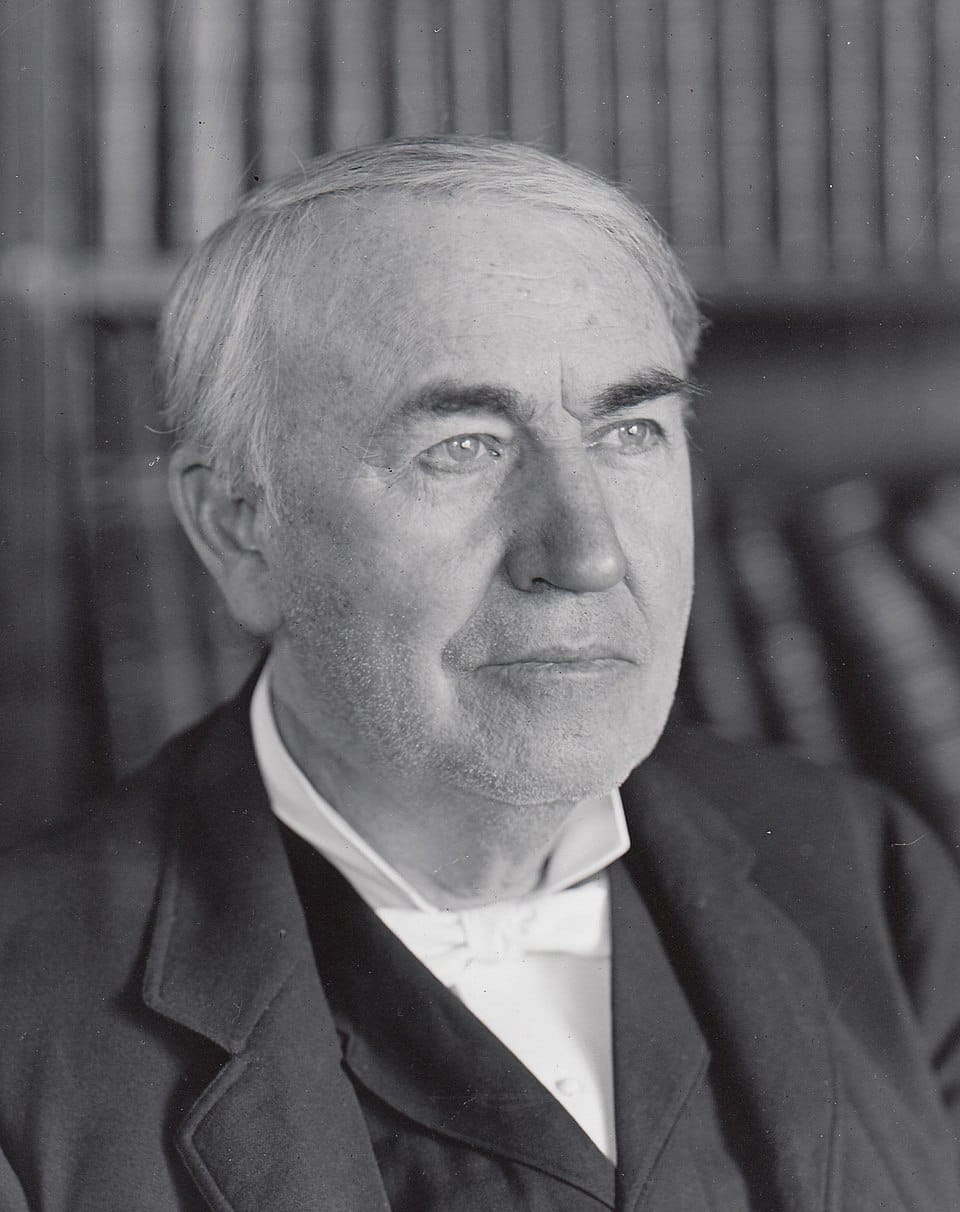
💡 5. Thomas Edison (1847–1931): From Idea to Industry
Edison didn’t just invent, he industrialized invention. With his Menlo Park lab, he created the first innovation factory, delivering the incandescent bulb, phonograph, and the world’s first electric power station at Pearl Street in 1882. He made electricity a product people could buy and depend on.
Something you may not know: His very first patent, an electric vote recorder, failed. Lawmakers didn’t want faster voting. Edison learned fast: make what people need, not just what’s clever.
Understanding: Framed electricity as an end-to-end system.
Application: Created the first viable lighting and power infrastructure.
Impact Today: The blueprint for modern utilities and R&D culture.
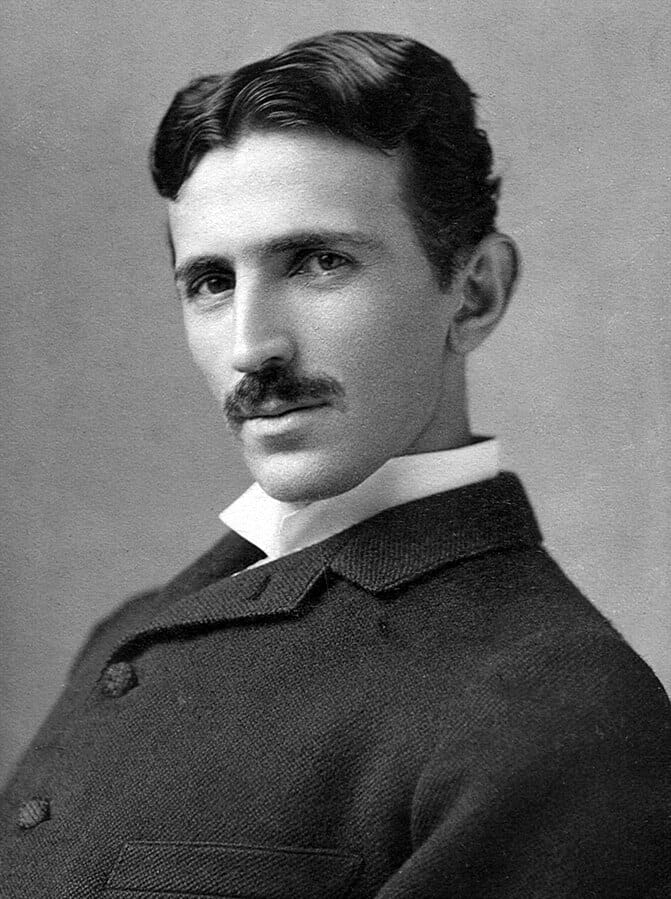
⚡ 4. Nikola Tesla (1856–1943): The Current That Conquered Distance
Young Nikola Tesla three-quarter view, c.1890.
Tesla’s alternating-current system turned electricity into a continental force. His polyphase AC motors and transformers made long-distance transmission possible, powering factories, cities, and dreams. He thought in fields and frequencies, not wires, decades ahead of his time.
Something you may not know: Tesla once lit 200 wireless bulbs from 25 miles away at Colorado Springs, astonishing witnesses who thought he’d tapped lightning.
Understanding: Unraveled AC and resonance with unmatched intuition.
Application: Created induction motors and power systems still in use.
Impact Today: AC power grids, induction chargers, and resonant circuits.
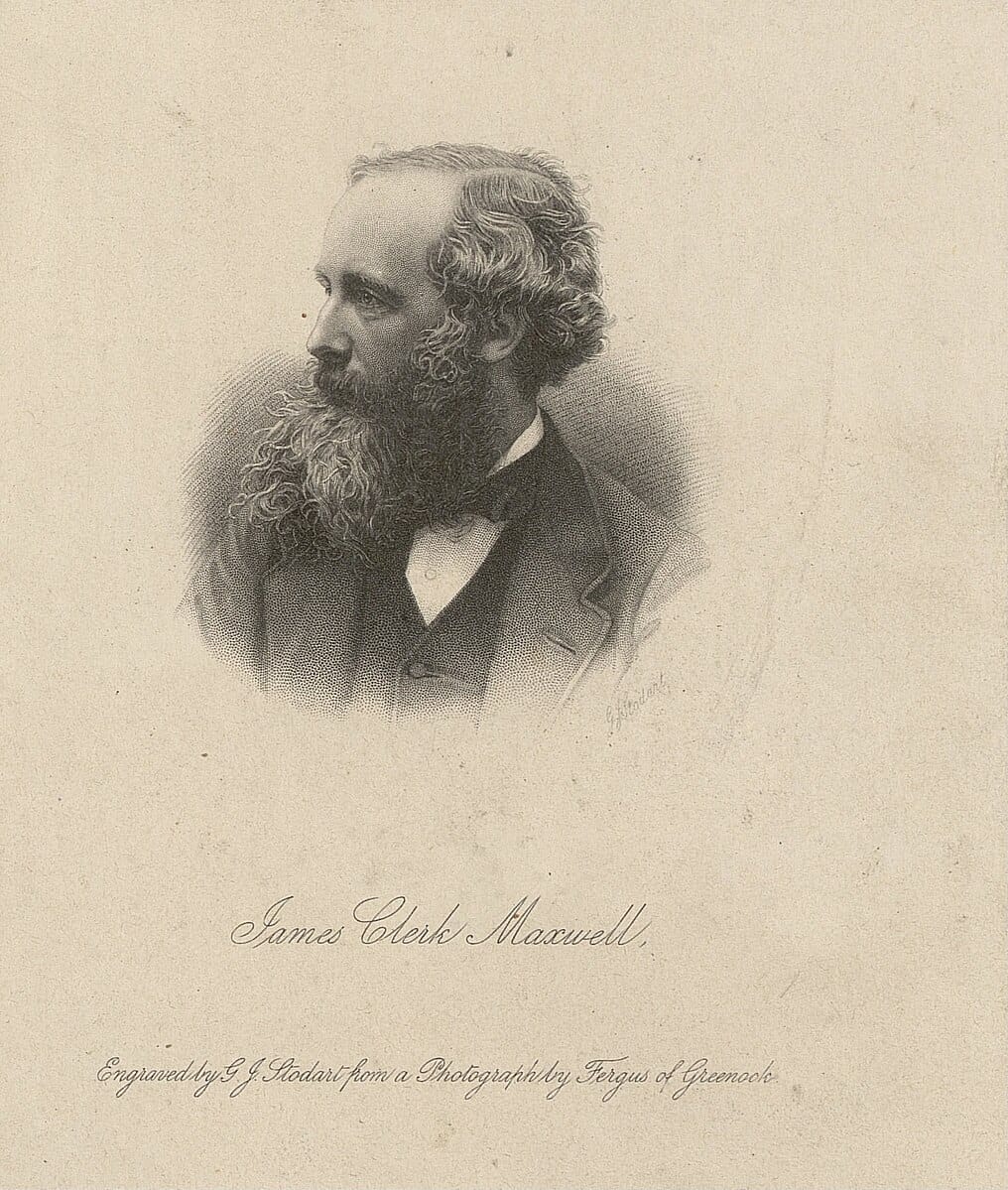
🧠 3. James Clerk Maxwell (1831–1879): The Equations Behind Everything
Engraved portrait of James Clerk Maxwell with beard.
Maxwell united electricity, magnetism, and light through four elegant equations, predicting electromagnetic waves before anyone had seen them. He gave the world a model where fields replaced invisible forces, forming the foundation of both classical physics and modern engineering.
Something you may not know: He also produced the first color photograph—a tartan ribbon—proving his wave theory of light could explain color itself.
Understanding: Unified electromagnetism and light mathematically.
Application: Provided engineers a predictive theory of waves and fields.
Impact Today: Every antenna, radar, and signal analysis owes him a debt.
🔢 2. Claude Shannon (1916–2001): The Mathematics of Meaning
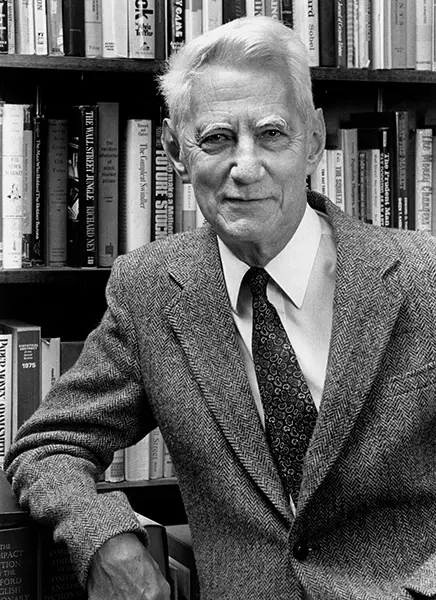
Electricity became intelligent when Claude Shannon treated information as a measurable quantity. His 1948 paper, A Mathematical Theory of Communication, defined the bit, built the logic of digital circuits, and created information theory, the bridge between electricity and data.
Something you may not know: Shannon juggled, unicycled, and built mechanical mice that solved mazes. He saw play as part of thinking.
Understanding: Linked signal transmission to probability and logic.
Application: Laid the mathematical foundation for computing and telecoms.
Impact Today: Every data link, compression algorithm, and AI model.
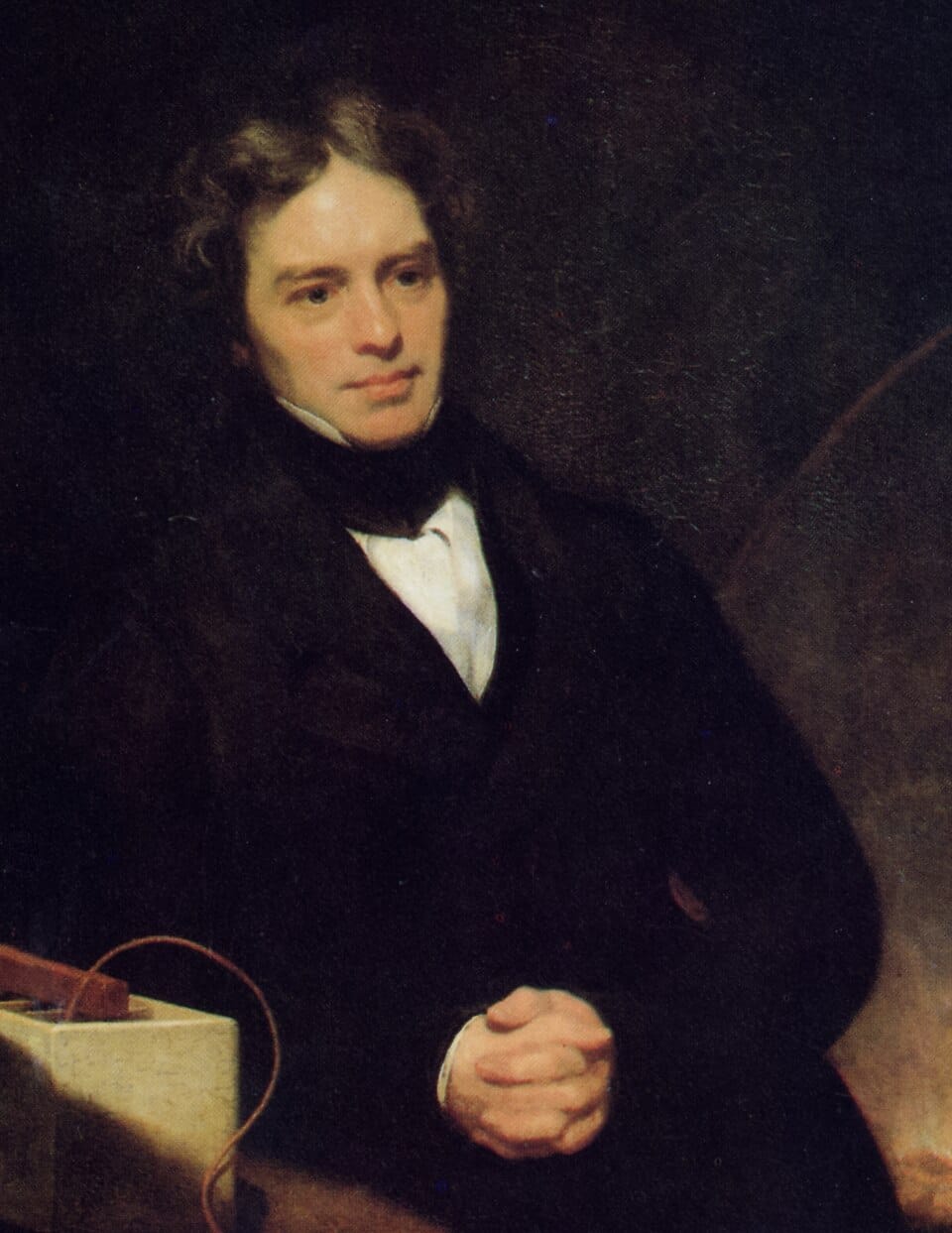
⚙️ 1. Michael Faraday (1791–1867): Turning Motion into Electricity
Faraday bridged science and civilization. In 1831, he discovered electromagnetic induction, showing that moving a magnet near a coil produced current. From that simple motion came generators, motors, and the entire modern grid. Faraday was largely self-taught, driven by curiosity and humility—the prototype of the practical genius.
Something you may not know: Faraday refused a knighthood and declined burial honors, choosing a simple grave, proof that character can power legacy as surely as science.
Understanding: Discovered induction and the concept of electromagnetic fields.
Application: Built the first electric motor and generator prototypes.
Impact Today: Every turbine, transformer, and alternator uses his principle.
⚖️ Engineering Genius, Human Complexity
History isn’t tidy. The figures who built our electric world left inventions we rely on and records we should read carefully. What follows reflects the best information available today, recognizing that new perspectives and evidence can always change how we see the past.
Davy dismissed his assistant Faraday, a working-class apprentice, reflecting the class barriers of his era.
Volta feuded with Luigi Galvani over “animal” versus “metallic” electricity, rivalry that sharpened the science even as it divided peers.
Ohm was ridiculed and sidelined for years before being recognized, a reminder that truth doesn’t always win quickly.
Hertz verified electromagnetic waves yet saw “no practical use” for them, proof that vision and timing don’t always align.
Turing paid the highest price for who he was, persecuted for his sexuality despite saving millions through code-breaking.
Edison weaponized spectacle during the War of Currents, staging animal electrocutions to discredit AC power, a dark chapter that underscored the need for ethics in technology.
Tesla, a visionary beyond his century, also endorsed eugenic ideas in the 1930s, a sobering reminder that brilliance doesn’t immunize morality.
Maxwell, Shannon, and Faraday leave no widely documented ethical controversies based on current research, though historical understanding evolves and new evidence could always add complexity.
⚡ Reflection
The light these people unleashed wasn’t only literal. It illuminated what humanity can do when imagination meets perseverance. But some also cast shadows: cruelty justified as rivalry, prejudice framed as progress, and injustice against those who lived outside society’s norms.
To understand innovation fully, we have to see it whole, the minds, the methods, and the morals. Electricity connected the world; ethics decides how that connection is used.
Enjoying this kind of practical explainer?
Subscribe free for EnergyCrew insights, market notes and industry resources, without the jargon fog.
All portraits are public domain or open-license reproductions sourced from reputable archives, including Wikimedia Commons, the National Portrait Gallery, and museum or academic collections. Attribution is provided for transparency.
A broken boiler in the UK led to a quick decision. Living with a heat pump in the US completely changed how I think about heating, comfort, and what a home should feel like.
Texas became one of the fastest growing solar and battery markets in the world. Can it keep its speed as OBBB, grid reforms, and demand reshape the energy market?
Energy loves its acronyms, but it’s not always clear they’re helping. From HEMS to DERMS, this article explores how language meant to simplify can sometimes add to the confusion.